Biffa: five breakdowns in six months, none since
A new baler worth around £500,000 broke down five times in its first six months, and nobody could find the cause. Oil analysis found it: dust from the facility was degrading the oil. Since the filtration was installed, there has not been a single fluid-related breakdown.
ISO 4406 cleanliness code
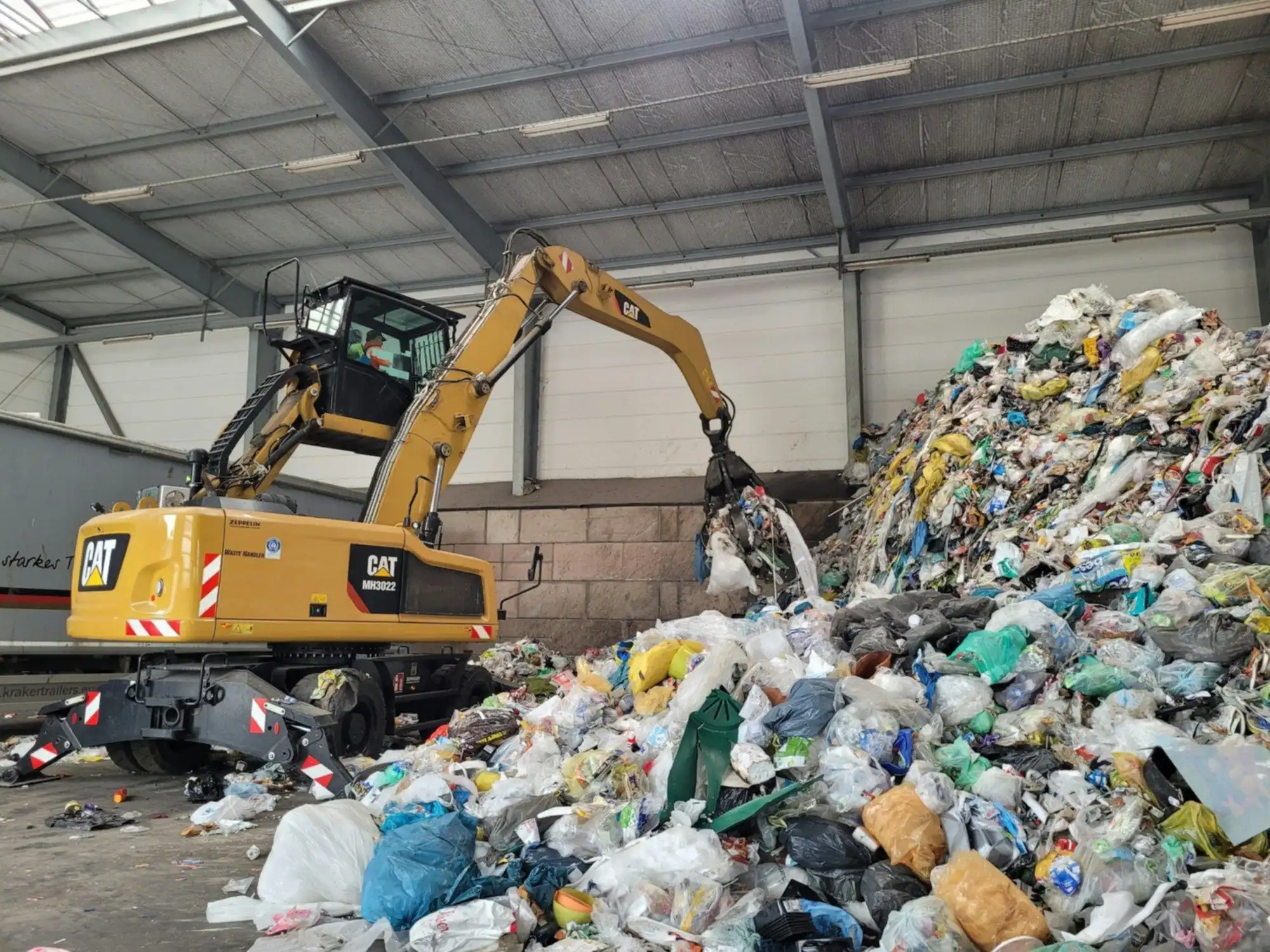
Biffa is one of the largest waste management companies in the UK, and its recycling facility in Edmonton is the second largest in the country. The facility’s new baler, worth around £500,000, compacts cans and cardboard in air full of dust and paper fibres.
Within the first six months the machine broke down five times: two pumps and three valves. Neither Biffa’s own engineers nor the manufacturer’s could find the cause. Oil analysis could: dust from the hall was getting into the hydraulic oil, and the varnish level (MPC) was raised unusually early in the oil’s life.
A Delta Xero DX1003-T was fitted to the machine’s hydraulic power unit during scheduled downtime, together with an inline particle counter. The counter measures cleanliness, water content and temperature continuously, because in such a dusty environment the sampling itself is otherwise a source of error.
The particle count dropped noticeably within the first week. Over the following analyses from an independent laboratory, the cleanliness code fell from ISO 22/19/13 to 17/15/12, and the number of particles above 4 µm from 23,859 to 945 per ml. There has not been a fluid-related breakdown since, and the approx. 5,000 litres of oil in the system remained in service without an oil change.
The figures before and after
| Measurement | Before | After |
|---|---|---|
| ISO 4406 cleanliness code | 22/19/13 | 17/15/12 |
| Particles above 4 µm per ml | 23,859 | 945 |
| Particles above 6 µm per ml | 4,171 | 217 |
| MPC (varnish potential) | 24.2 | 9.7 |
| Breakdowns (pumps and valves) | 5 in 6 months | 0 since installation |
“Since we have installed the filtration unit at Biffa we have not had any fluid related issues that we have been made aware of. Prior to the system being installed we had replaced three hydraulic pumps and various valves. As the machine was under warranty this cost impacted us directly, for both parts and labour, at a cost of around £15,000.”